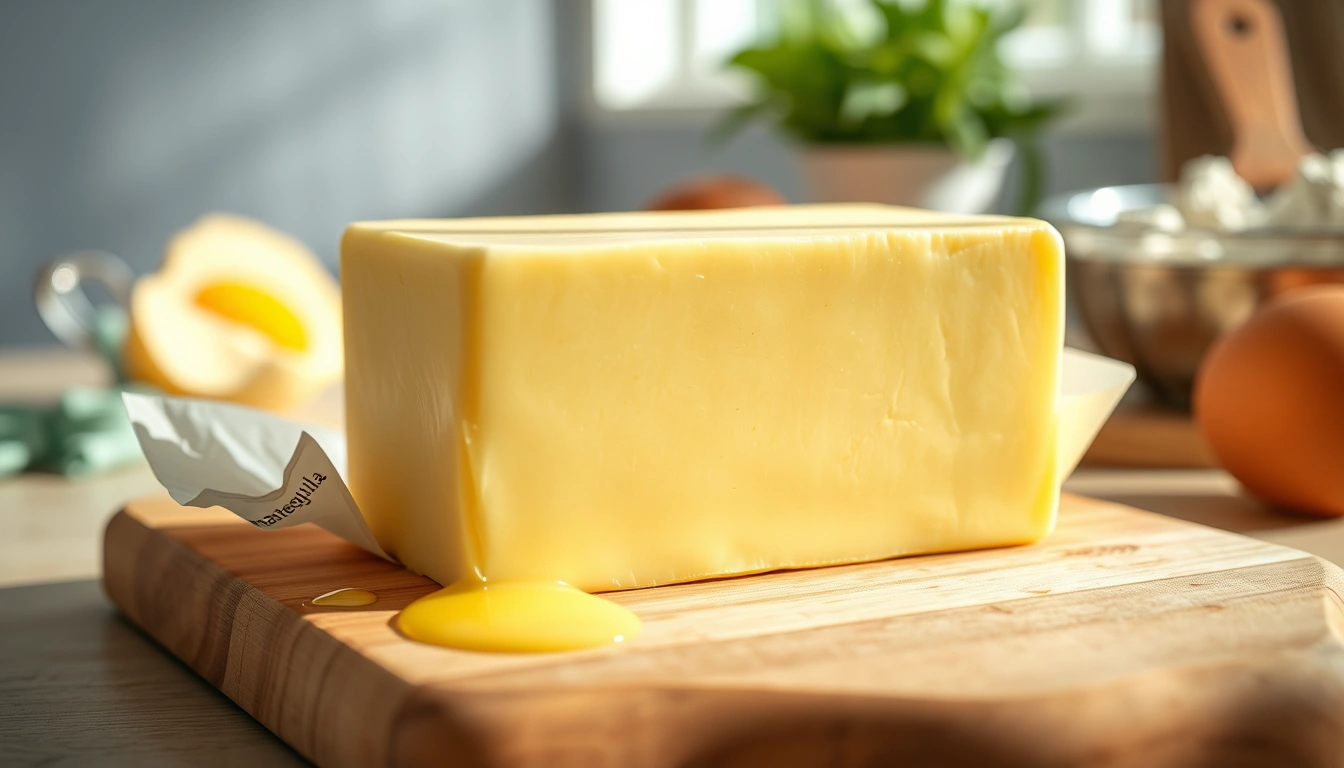
Used in multiple popular recipes
Ingredient Information
Name
Sweet butter
Category
Oils and Fats
Popularity
123 recipes
Status
Inactive
Description
Unsalted butter is a basic ingredient in cooking, especially used in baking and the preparation of savory dishes. It is a dairy fat obtained by churning fresh milk cream until the buttermilk separates, resulting in a solid paste with a pale yellow or white color. Unsalted butter is characterized by not containing added salt, which differentiates it from salted butter and gives it a more neutral and versatile flavor.
Origin: Butter has its roots in antiquity and has been traditionally produced in many cultures around the world from cow's milk. The term "unsalted butter" refers to its natural, salt-free flavor, a term commonly used in Spanish-speaking countries, especially in Latin America and Spain.
Properties: It is an important source of saturated fatty acids and provides immediate energy. Additionally, it contains fat-soluble vitamins such as A, D, E, and K. In cooking, unsalted butter is valued for its ability to provide a soft and creamy texture to doughs, sauces, and creams, and for helping to achieve baked goods with a tender and flavorful crumb.
Synonyms in Spanish (Latin America): In different regions of Latin America, unsalted butter may also be found under names such as manteca dulce or simply mantequilla when specified as unsalted. However, the term "mantequilla" is the most common, and the difference is usually clarified by indicating whether it is "salada" (salted) or "dulce" (unsalted).