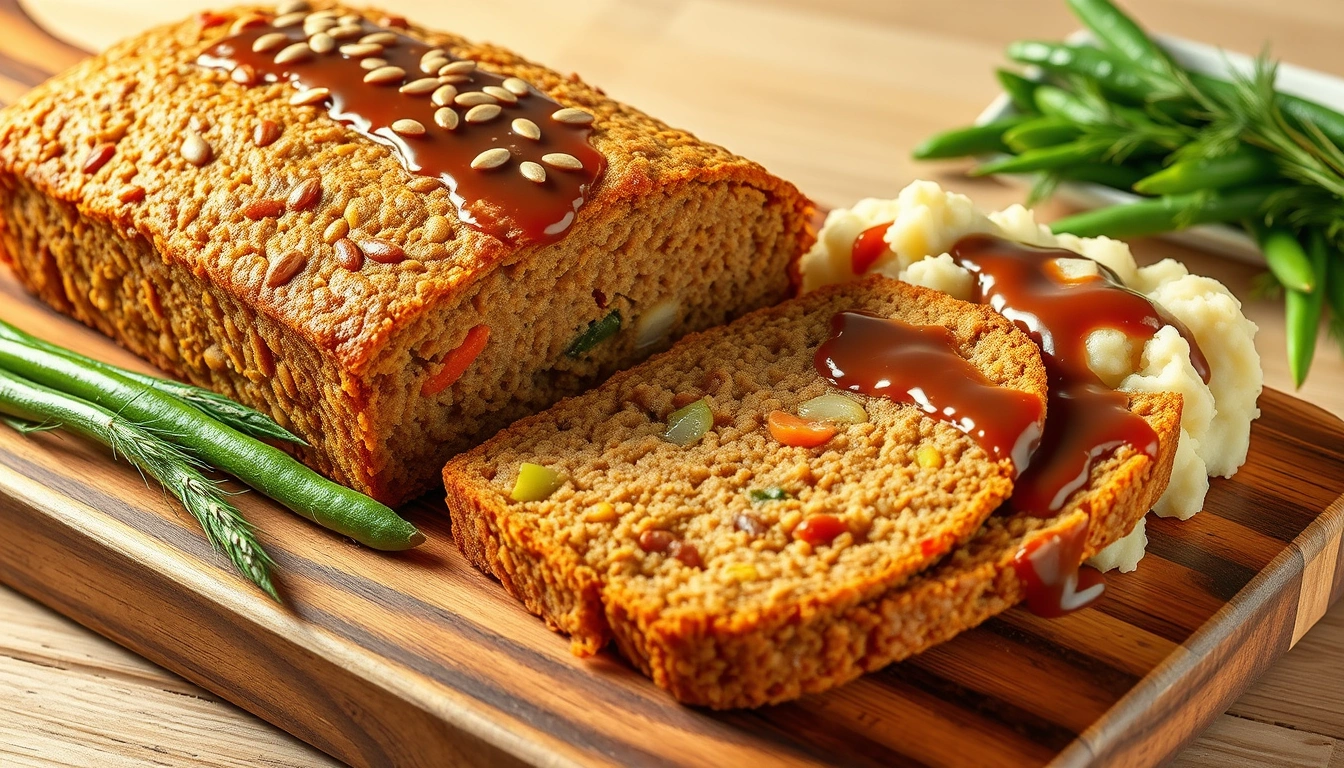
Millet bread is a traditional preparation with roots in various agricultural cultures where millet has been a staple food for centuries. Originating from regions in Asia and Africa, millet has spread throughout Latin America, especially in areas where cereal cultivation is less common. In different Latin American countries, this bread may be known by various names, but its essence remains the same: a nutritious and gluten-free bread, ideal for those seeking healthy alternatives to wheat. In Mexico and some Central American countries, millet bread is associated with home cooking and rustic recipes that utilize fresh, natural ingredients.
Its preparation reflects the importance of millet as a versatile and energetic grain, which also provides a unique texture and a mild flavor that pairs very well with vegetables and spices. In rural areas and in today's conscious cooking, this bread is valued for its nutritional contribution and for being an excellent option for balanced diets. Thus, millet bread continues to be a symbol of tradition and health on the Latin American table.
How to Make Millet Bread
Rinse the millet and place it in a medium saucepan with the water and 1/2 teaspoon of salt.
Cook, with the lid slightly ajar, over medium heat for about 20 minutes, or until soft.
The millet should absorb all the water.
Sauté the carrots, celery, onions, and garlic in sesame oil until the onions are translucent.
Add the seasonings.
Mix the cooked millet with the vegetables, along with the sunflower seeds, if desired.
Add 3 tablespoons of flour to the millet mixture, mixing well.
Lightly grease 2 bread pans.
Press the millet mixture into the pan and bake at 400°F for one hour.
Let the bread cool for about 10 minutes before unmolding it onto a platter and slicing it.
Serve with mashed potatoes, green beans, and plenty of brown gravy.