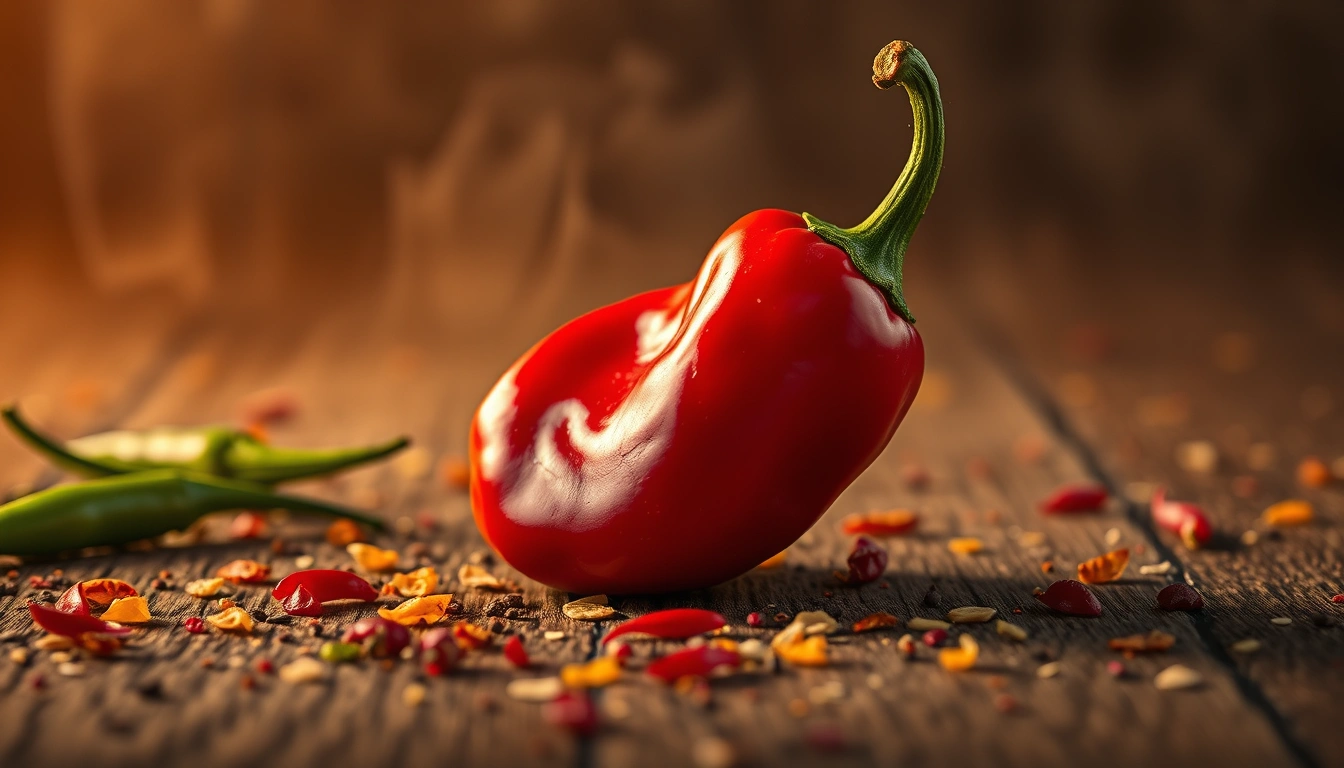
Used in multiple popular recipes
Ingredient Information
Name
Spicy chili pepper
Category
Spices and Herbs
Popularity
94 recipes
Status
Inactive
Description
Spicy chili is an essential ingredient in many cuisines around the world, particularly in Latin American, Asian, and Caribbean gastronomy. It is the fruit of plants from the Capsicum genus, known for its characteristic flavor that combines intensity and spiciness due to capsaicin, the active compound responsible for the burning sensation.
Origin: The spicy chili is native to the Americas, specifically the Mesoamerican region, where it has been cultivated and consumed for thousands of years by civilizations such as the Aztecs and Mayans. With the arrival of the Spanish in the Americas, the chili quickly spread to other parts of the world, integrating into many global culinary traditions.
Properties: In addition to providing a distinctive flavor and a spicy touch to preparations, spicy chili has multiple nutritional benefits. It is rich in vitamin C, antioxidants, and can stimulate metabolism. Capsaicin, its most well-known component, has anti-inflammatory and analgesic properties, and its potential for improving digestion and pain relief has been studied.
Substitutes and synonyms in Hispanic America: Depending on the country and region, the spicy chili is known by different names and can be found in various varieties. Among the synonyms or equivalent terms are ají picante (very common in countries like Peru and Colombia), guindilla (in Mexico and Central America), chile de árbol, jalapeño pepper, or simply ají. Each one has different levels of spiciness and flavors, but they function similarly in recipes.
In cooking, spicy chili is used both fresh and dried, in powder or sauce form, to enhance flavor and add a vibrant and spicy touch to a wide variety of dishes, from stews, soups, and marinades to sauces and dressings.